
Hitachi Ltd, Part II
H8, PA-RISC, and SuperH
This is the continuation of Hitachi Ltd, Part I. If you’ve not read that, and you wish to know about the origins of Hitachi, I highly recommend it.
Katsushige Mita had become the fourth president of Hitachi in 1981 as the former president Hirokichi Yoshiyama moved into the position of chairman. A company that had originally focused on power generation and motors had become an international conglomerate with a heavy presence in computing, industrial automation, robotics, fiberoptics, nuclear power, locomotives, and consumer electronics. Hitachi had been wildly successful. The company had helped to rebuild Japan after the Second World War, and they’d then helped Japan become an economic and technological leader.
When Mita came in as president, he’d stated:
We cannot live with tradition alone. I have to make Hitachi a more modern company.
He meant his words in a way that many others do not. Hitachi began a mission of automation (as seen with the 1983 B-16), cost cutting, and innovation. The R&D spend of Hitachi, by 1990, accounted for a bit more than six percent of all R&D expenditures in Japan, and that kind of spending coupled with the company’s pool of intellectual firepower meant that Hitachi held more patents than any other company in Japan. Those patents turned into a stunning array of products from bullet trains to drawing tablets for microcomputers. Within the realm of computing, it was entirely possible for someone to work in a lab and access a Hitachi supercomputer while using a Hitachi workstation that utilized a Hitachi CPU, Hitachi HDD, Hitachi FDD, and Hitachi display and communicated through Hitachi-made networking equipment.
Hitachi’s success somewhat mirrored the transformation of Japan’s overall perception in the West. For those of you too young to remember this, Japan was once seen as making low quality, inferior, cheap, and simple products. Throughout the 1980s, this perception quickly changed. Hitachi was making extremely high quality semiconductor products and consumer appliances, and there was nothing more fashionable than Sony. Thus, what had been unthinkable just twenty years prior, came to pass with little fanfare on the 1st of May in 1989; Hitachi bought out National Semiconductor’s holdings in National Advanced Systems. This gave Hitachi 84 percent of the company, and National Advanced Systems became Hitachi Data Systems on the 23rd of October in 1989. Electronic Data Systems held 16%. HDS systems were around twenty percent faster than the competition while being roughly the same price (or cheaper). Despite ambitions in various computing segments, Hitachi also formed a partnership with IBM (following IBM having reported a 21% revenue drop in Japan for 1990, where Japan represented around 19% of IBM’s total revenues) in 1991 allowing Hitachi to resell IBM laptops in Japan under the Hitachi brand name. Another partnership was created with HP that allowed Hitachi to use PA-RISC CPUs, but also to make their own derivatives of PA-RISC. Even in research, Hitachi wasn’t shy from partnering, and the company formed the Hitachi Cambridge Laboratory in 1989 with the University of Cambridge. This lab would study quantum phenomena.
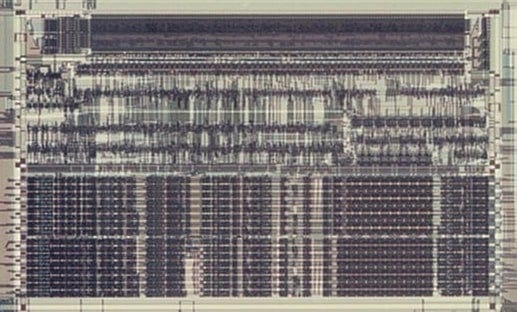
When talking about Hitachi’s automation, it’s important to mention what controller Hitachi preferred to use. As of 1988, that had been the Hitachi H8 microcontroller. The H8 family began as a series of 8bit microcontrollers with a few 16bit registers, and an ALU that had some 16bit operations. These were decidedly CISC and largely implemented the DEC PDP-11 architecture. The H8/300 and H8/500 were primarily 8bit. The H8/300H and H8S were primarily 16bit, and the H8SX was primarily 32bit. It is nearly impossible to provide a complete history of these controllers due to the number of variants. Given their use cases, these could be ordered from Hitachi Semiconductor with an extremely wide variety of peripheral controllers, ROM capacities, and RAM capacities. Hitachi used these in industrial controls, robotics, digital cameras, printers, smart cards, chess computers, synthesizers, and sold them to anyone who wished to do the same. Some of the more famous uses were the LEGO Mindstorms RCS, Nokia 2110, Namco System 12, Yamaha FS1R, and Roland SC-55. Otherwise, as these were microcontrollers, their use is meant to be invisible.
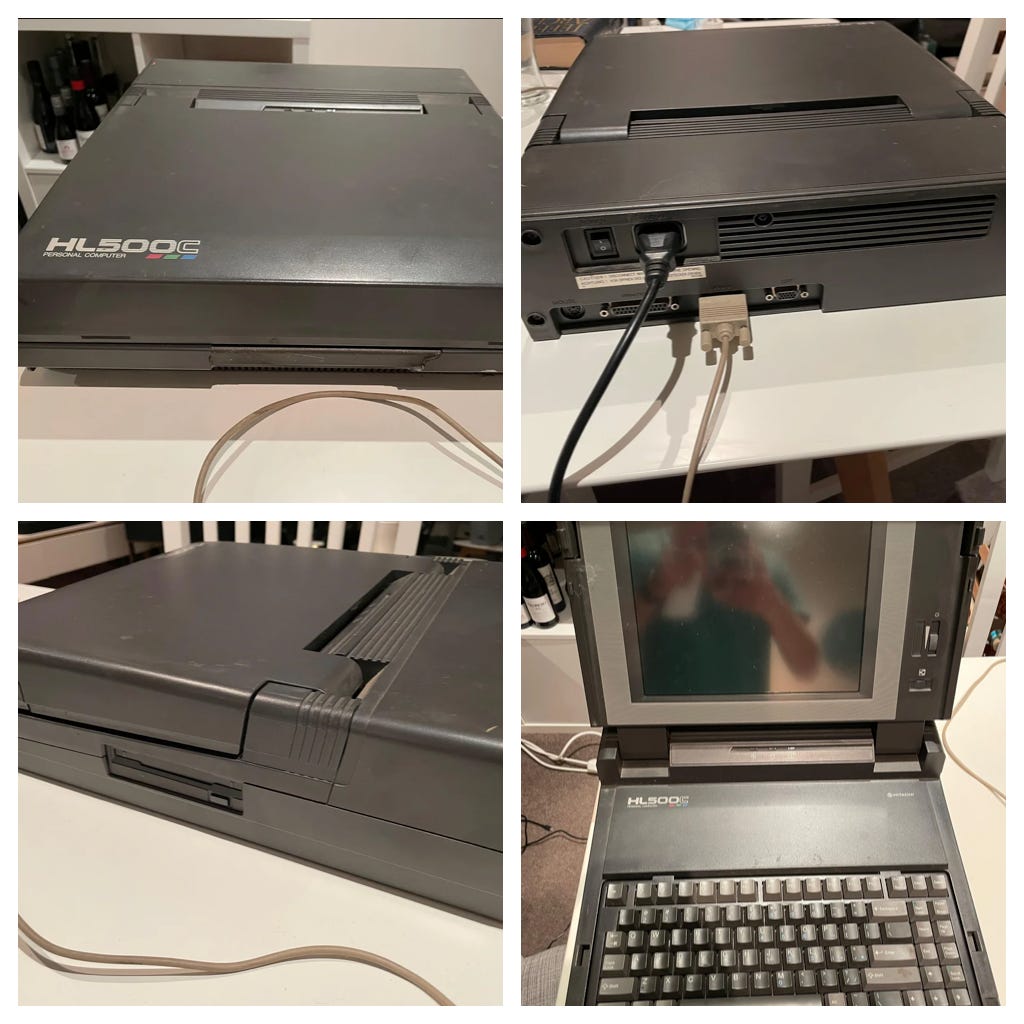
Immediately prior to the IBM laptop agreement, Hitachi released wonderful consumer-segment laptops. The 1989 HL400C and HL500C were Intel 80x86 laptops with a six and a third inches color LCD built using thin-film transistors. This was a big deal. The screen was active matrix with 384k pixels and each pixel was controlled by its own transistor. The HL400C used an 80286 and the HL500C used an 80386SX. Both shipped with 1MB of RAM as standard (though the 500C could be upgraded), a 1.44MB FDD, 20MB or 40MB HDD, an 8bit ISA slot, and a 16bit ISA slot. They weighed in at fifteen pounds. While these were the most noteworthy in the series, there were non-color versions, and even an 8088 model starting at half the price of the lowest spec 80286.
On the 28th of March in 1990, a long legal battle between Motorola and Hitachi concluded in Austin, Texas. U.S. District Judge Lucius Bunton found that both parties had violated their patent-sharing agreement and had to pay each other some penalties. For Motorola, this made the 68030 effectively illegal to sell, and for Hitachi, it made their H8 microcontroller effectively illegal to sell. Honestly, both Motorola and Hitachi had the resources to develop other products. The true losers in this scenario were companies heavily invested in the 68k such as Apple, Atari, and Commodore.
On the 8th of April in 1991, Katsushige Mita became chairman and Tsutomu Kanai became president. This came as Hitachi was stagnant. While the company was operating 38 research centers across the globe, breaking records with bullet trains, and generally being rather awesome, competition in their primary markets of computing, appliances, and consumer electronics was thinning profit margins, and hindering growth.
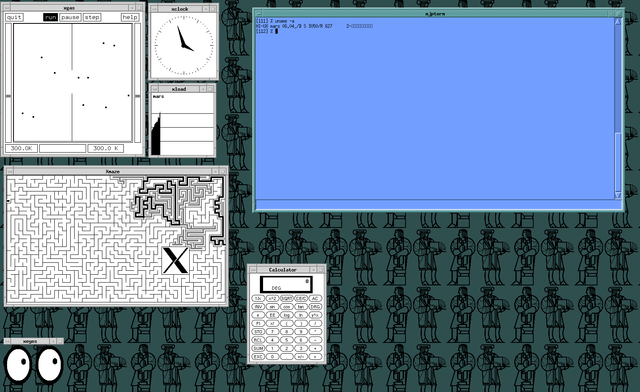
Hitachi’s workstations continued in the 1990s with the 3050 series that launched in April of 1991. These systems made use of two different CPUs, the Motorola 68040 and the HP PA-RISC 50MHz. All in this series were treated to HI-UX with X Windows and Motif.
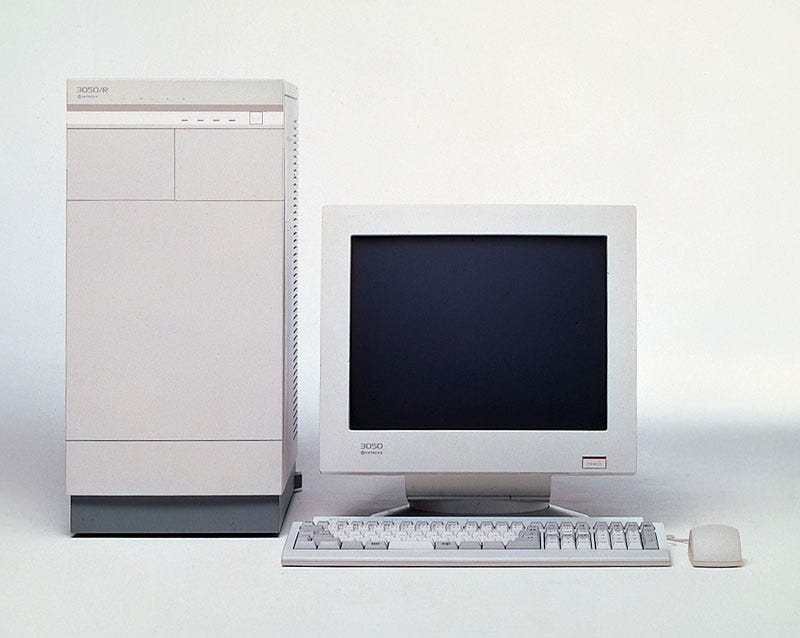
The M68k models came in two distinct physical forms: the LT laptop, and the plain 3050 desktop. The LT was built around a Motorola 68040 at 25MHz and 16MB to 48MB of RAM. The desktop utilized the same CPU, but offered RAM capacities from 8MB to 72MB. The 3050/R was a desk-side machine built around a PA-RISC CPU at 50MHz and 16MB to 112MB of RAM. The highest of high-end machines in this line was the 3050Rsv which use the same PA-RISC CPU at 50MHz but increased the RAM capacity to 128MB. All of these machines had a range of disk options, could be configured with either 16Mbps token ring or 10BASE-T LAN. The 3050 and 3050LT achieved 3.5MFLOPS, and the 3050/R achieved 57MIPS or 15MFLOPS. I’ve never before seen such a clear presentation of the CISC/RISC war of the era. Naturally, the PA-RISC workstations were more expensive.
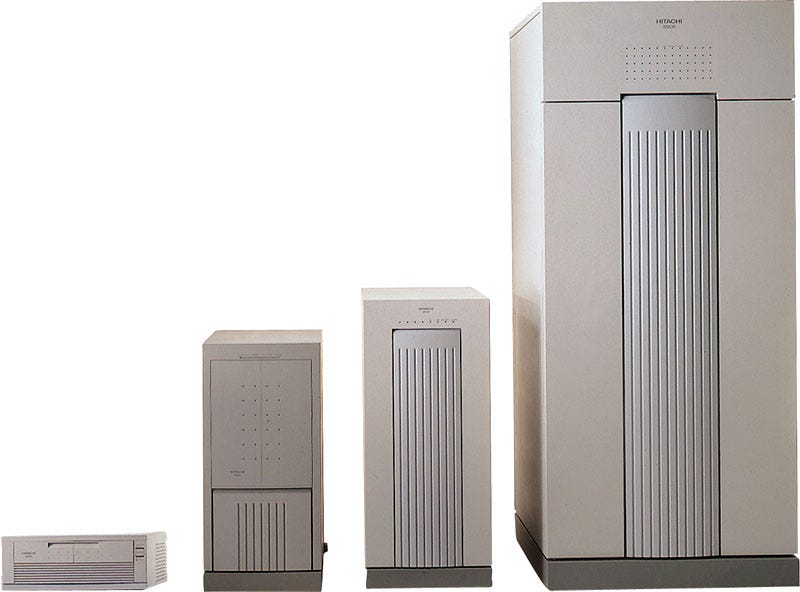
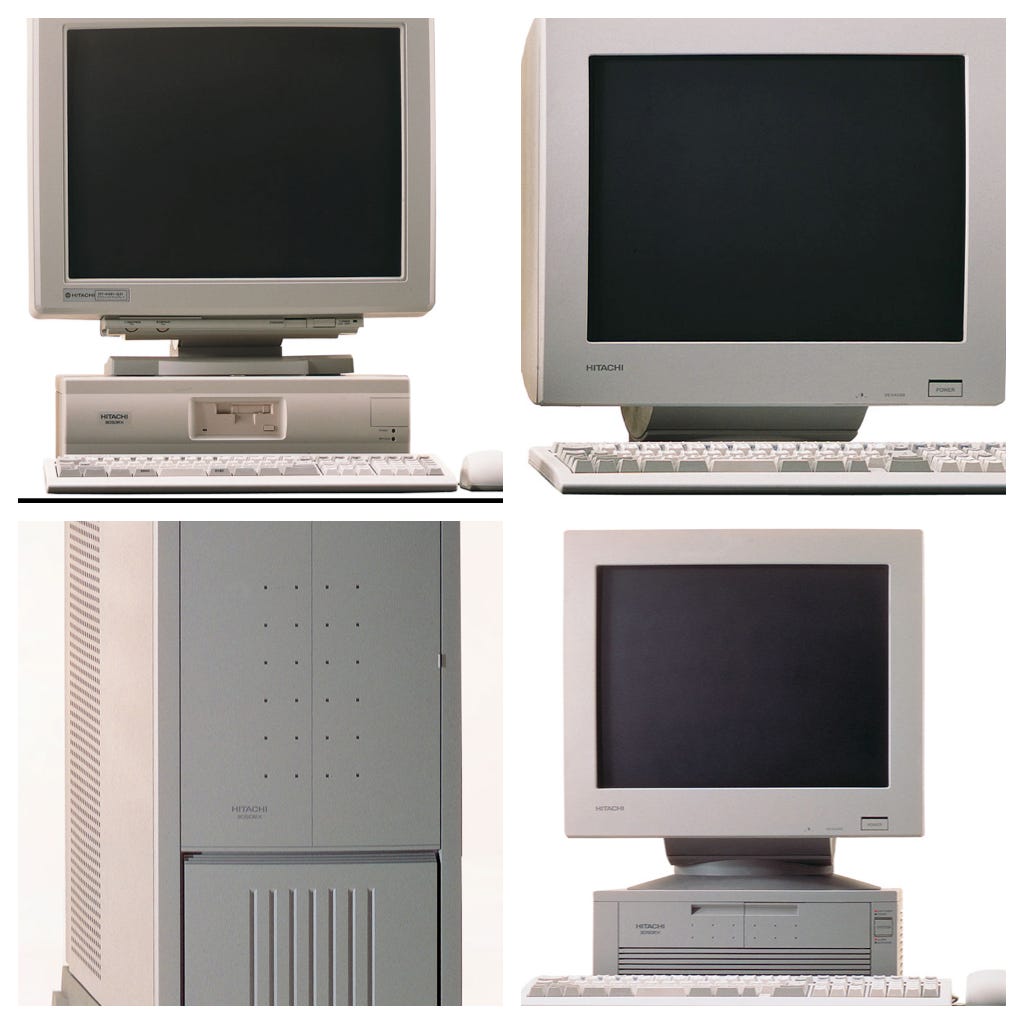
Announced in 1992 and seeing release over the course of 1993 and 1994, some of Hitachi’s workstations were upgraded with the PA/50L and PA/50M CPUs designed and manufactured by Hitachi themselves. These were in the PA-RISC 1.1 family, and the L model was the low-cost option delivering about 55MIPS while the M model offered 100MIPS. These were 32bit chips with an integrated and pipelined FPU, seven 32bit shadow registers allowing fast interrupts, data prefetching, sleep states, support for SDRAM, an 8K L1 instruction cache, 4K L2 data cache, a 32/64-entry translation lookaside buffer (2-way set, 4K-page, each +2 additional block entries), and a 256K to 32MB block translation lookaside buffer. These chips were built of 1,280,000 transistors on a 600nm, three metal layer CMOS, and placed into a 160pin plastic QFP. Machines not upgraded with Hitachi’s PA-RISC chips would gain the PA-7100 or PA-7300. All of these new machines would feature ECC RAM, advanced fault recovery systems, and HI-UX/WE2.
In the pizza-box form factor were the 200, 220, 230, 235, and 255. The 200 utilized the PA/50M, the 255 utilized the PA-7300LC, and the rest utilized the PA-7100. Otherwise the differentiation for these were cache and RAM. The 200 had the 8K/4K cache and 144MB of RAM, the 255 had 64K/64K L1 cache, 1MB L2 cache, and 256MB of RAM.
The desktop models included the 310S, 320S, 320, 330, and 340. The 310S and 320S had 64K/64K cache, 16MB to 272MB of RAM, and 566MB to 1GB HDD. The 320, 330, and 340 had 256K/256K cache, 32MB to 416MB of RAM and 566MB, 1GB, or 2GB HDD. All of these utilized the PA-7100. There were alternate models the 320G, 330G, and 330T which were graphics-oriented workstations.
The desk-side models with seven expansion slots in the full-size tower were the 430 and 440. The 430 utilized a PA-7100 clocked at 80MHz with 256K/256K cache, and up to 768MB of RAM. The 440 was largely the same but clocked at 100MHz. The 440 could hit around 131MIPS or 40MFLOPS.
The 3500 series were branded specifically as servers. These had the model designations of 310, 410, 510, 520, 530, 540, 630, and 640. The 310 was the lone desktop, the 410 through 540 were desk-side, and the 630 and 640 were cabinets. The noteworthy differences here were far higher RAM capacities, from 16MB to 1GB, and higher HDD capacities from 21GB to 208GB. The peak performance of the 3500 640 roughly matched the 3050RX 440.
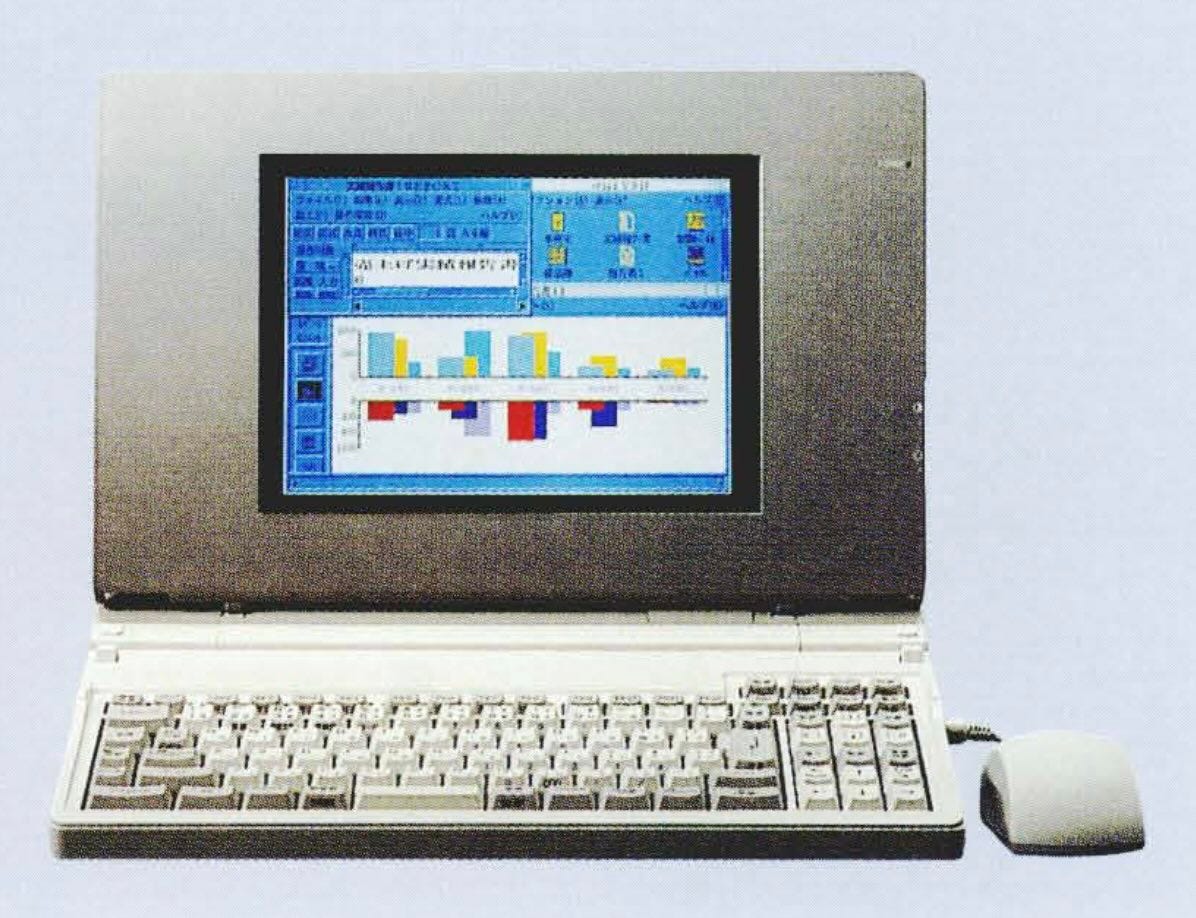
The 3050RX 100C was built around the PA/50L at 33MHz, 16MB to 80MB of RAM, a 500MB SCSI disk, 21MB floptical, and a 10.4 inch TFT capable of 1024 by 768 pixels at 512 colors. Being a laptop form factor, this UNIX workstation could be expanded with PC Card, but was otherwise limited. External ports included SCSI, VGA, ethernet, serial and parallel. Top performance for this machine was 42MIPS.
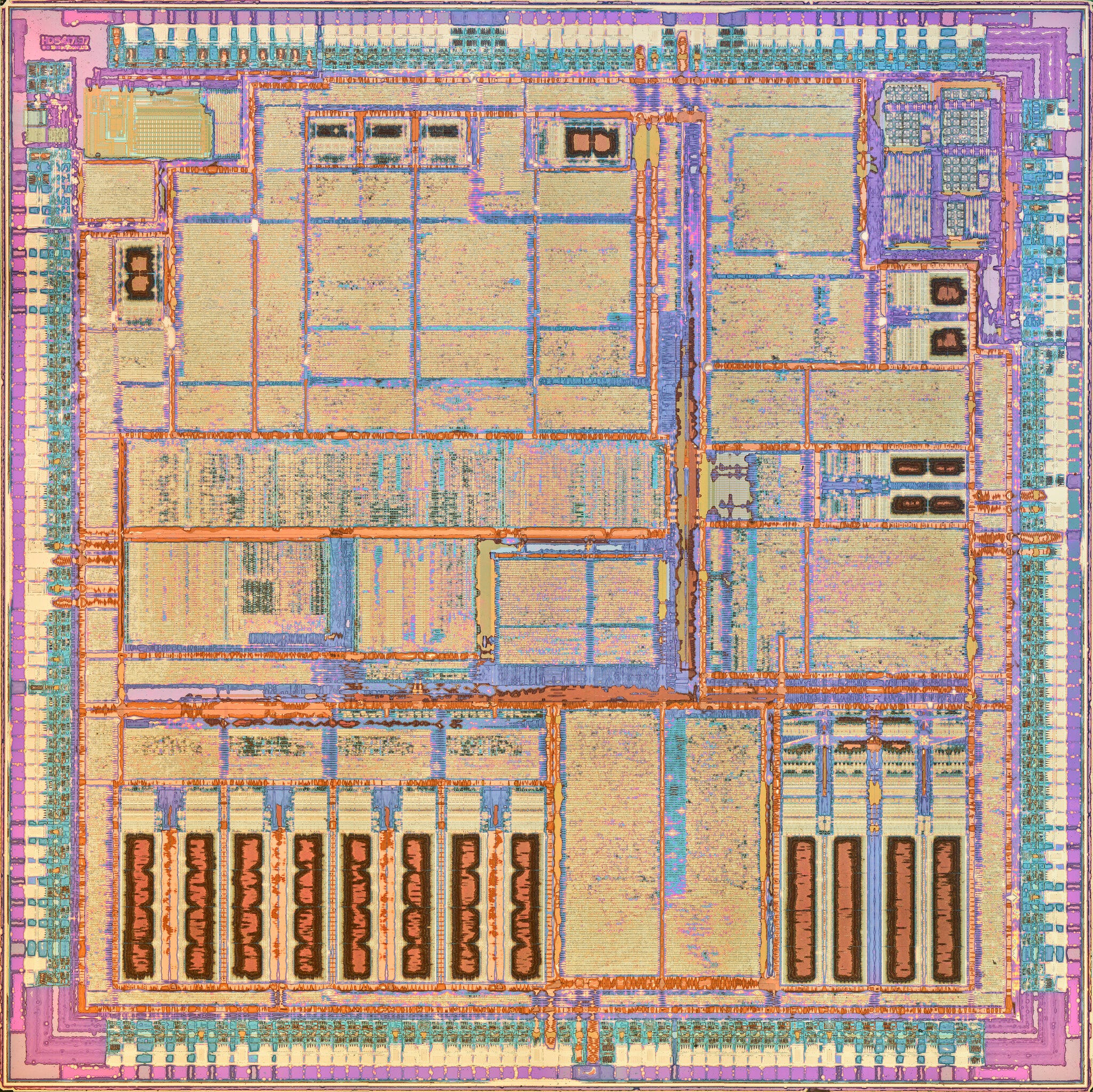
The Hitachi SuperH, or SH-1, began development in 1990 as the replacement for the H8 series of microcontrollers, and it was targeted at roughly the same market; that is to say, the low cost, low power, embedded market where new products were being made such as PDAs and mobile phones. The SuperH was important for Hitachi not only due to reliance on others’ chip designs had proven risky and litigious, but also because the memory market had been a race to the bottom. This humble CPU was the first 32bit, single-chip, RISC microcontroller, and it was designed to be the best choice in terms of instructions per second per watt. The folks responsible for the first SuperH were Tsugio Makimoto, Shumpei Kawasaki, Keiichi Kurakazu, Yasushi Akao, Shiro Baba, Toshimasa Kihara, Shinichi Yoshioka, Ikuya Kawasaki, Hideo Inayoshi, Jim Slager, Ehsan Racid, Takaki Noguchi, Kunio Uchiyama, Masahiro Kainaga, Nobuyoshi Domen, and Hideo Maejima. These project members were spread across multiple research groups in Japan and the USA. In general, SuperH was a 32bit, 56 instruction, RISC CPU with a five-stage pipeline where both the address length and data length are 32bits. Unlike other designs, the instruction length is fixed at 16bits to optimize for memory use and power consumption. SuperH being RISCy had simpler decoders than contemporary x86 chips, but it achieved comparable code density thanks to its use of 16bit instructions each of which could perform multiple functions.
Tsugio Makimoto became the general manager of Hitachi’s semiconductor division in 1992, and his primary goal and focus was the successful launch of SuperH. Mass production of the chip began that September with a ceremony held at Hitachi’s Musashi factory to celebrate the first batch. SH-1 was publicly unveiled at Hitachi’s Microprocessor Technical Seminar in November of 1992, and it was built of 600,000 transistors on an 800nm CMOS process with a variety of packaging options. Depending upon power, thermals, and the specific workload the SH-1 could achieve 16 to 26MIPS reliably while consuming less than a watt (I’ve seen published data showing power consumption between 0.1w and 0.8w).
Why did Hitachi target microcontrollers first? Well, partially they did have PA-RISC chips for high-end, but I imagine it’s also because more microcontrollers are sold than large CPUs. Then, there’s the competition, as Makimoto stated:
SH-1 was the world's first 32-bit single-chip RISC microcontroller that was superior to the conventional chips in terms of MIPS per watt of power. We have deliberately chosen a market segment that differs from the Intel-dominated market. While Intel has been pursuing the development of high-end products for high-speed processing, we have focused on the development of low-power, low-cost chips that can achieve high performance. We have been anticipating the growth of the embedded business in the information appliance field.
Yet, the name of Hitachi didn’t magically make sales appear. Hard work by sales professionals did that. There was also one potential customer in Sega. Hitachi’s sales team had been encouraging Sega to consider the Hitachi PA-10 (a low power, low cost Hitachi PA-RISC chip offering around 10MIPS). Sadly, Sega had no interest, and it appeared as though the games company was going to choose a RISC chip from NEC (while I didn’t cover it, there were options). Still, if it was the cost of Hitachi’s PA-RISC chips then Shunpei Kawasaki thought they may have interest in an even lower cost chip.
In the summer of 1992, Kawasaki, Shirou Baba (direct supervisor), Yasuhiro Ueda (boss’s boss), and Junichi Tatesaki (engineer) went to Sega’s corporate home. They got there only to find out that no conference rooms were available. This was a presentation for which Kawasaki had diligently prepared and rehearsed, and he must have felt frustrated or even insulted. For this group, the chance was just too important. They pushed aside their emotions, and followed the person who’d received them to the cafeteria. It wasn’t as though the cafeteria were empty either. Sega employees were clustered around tables chatting, drinking tea, and having some snacks. Finally, they were met by Kazuhiko Hamada (manager from hardware R&D), and they made their pitch. For his part, Hamada betrayed no interest, but he did say that SuperH was “interesting” and the team got a second date.
As discussions continued, it became apparent that Sega would need some things changed. Multiplier performance needed to be increased, the chip needed to support synchronous DRAM, and it needed to be generally more capable. At Hitachi, this moved SuperH from being a simple microcontroller to a series of chips that were upward compatible and offered a range of performance characteristics. While many people from the SH-1 team were bewildered to hear of SH-2 being worked on so soon, Takaki Noguchi and a coworker went to work anyway. Noguchi had worked on the 16bit multiplier in SH-1, and delivered a 32bit version along with the DRAM interface in just two months (May to July of 1993). Another team added multiprocessor support to the SH-2 at the request of Nobuyoshi Doumen at the Hitachi System Development Laboratory. From an ISA standpoint, the largest change from SH-1 to SH-2 was the addition of 64bit multiplication support. The SH-1 had 56 instructions while the SH-2 had 62 instructions.
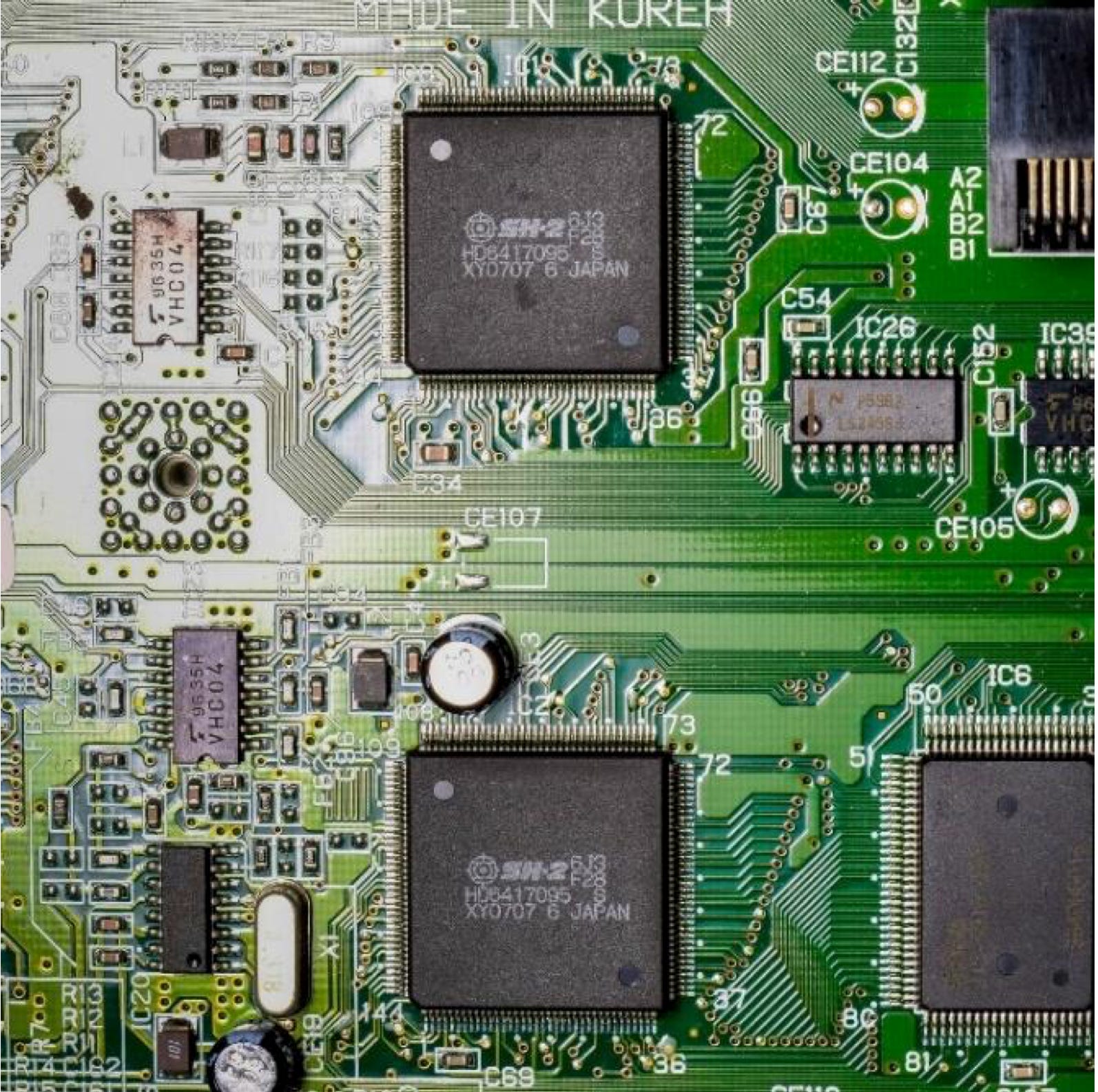
SH-2 was demonstrated to Sega in the summer of 1993, and they weren’t impressed. They felt that the 25MIPS on offer from SH-2 was simply insufficient especially as they had it on good authority that Nintendo was working on a 64bit system with Silicon Graphics. Leadership of the two companies convened in Hakone in September of 1993. As it turned out, the multiprocessor support requested and apparently desired only by the System Development Lab, was the answer. The Sega Saturn would utilize two SH-2 CPUs. By March of 1997, more than 7.5 million Saturns were in the world (and just short of a million 32Xs which also used the SH-2), and that meant more than 15 million SH-2 CPUs. Of course, while the SH-2 was used as the CPU in the Saturn, the SH-1 controlled the CD-ROM drive and handled the console’s infamous copy protection. Notably, SH-2 saw improvements over its life and die shrinks were one. This size reduction led to variations, one of which was placing two SH-2s on a single chip.
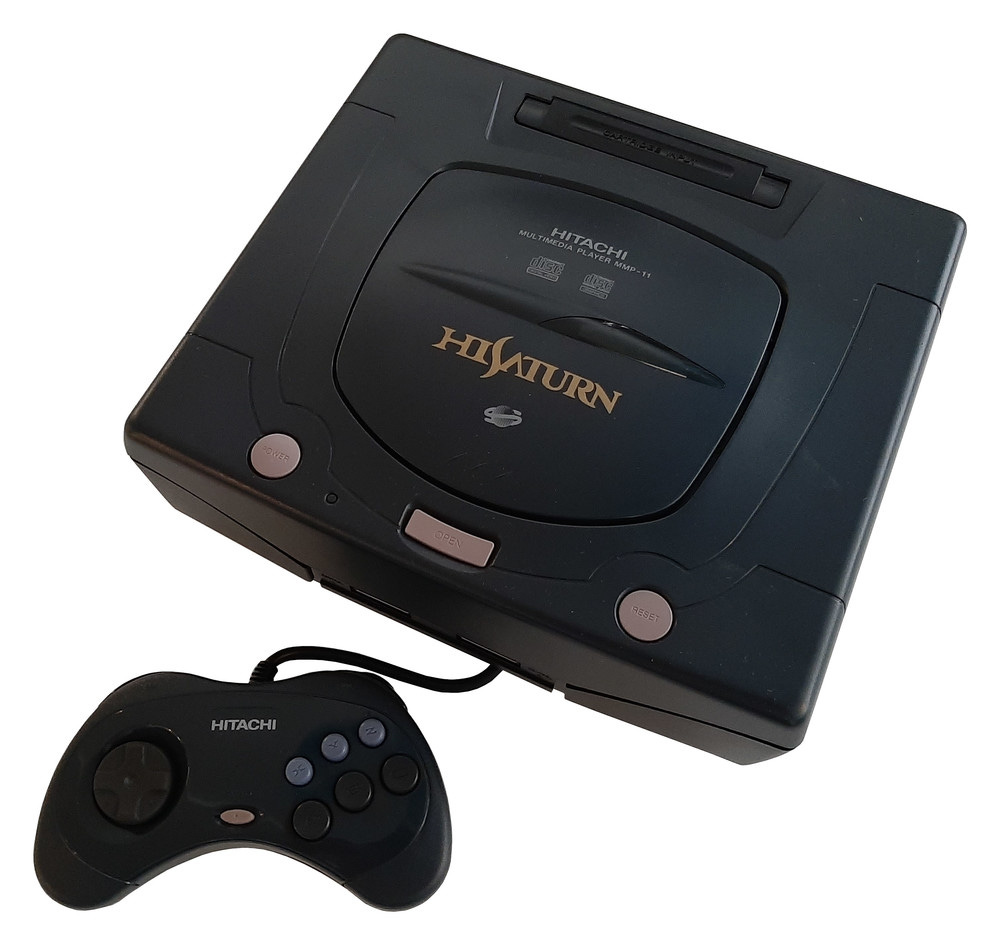
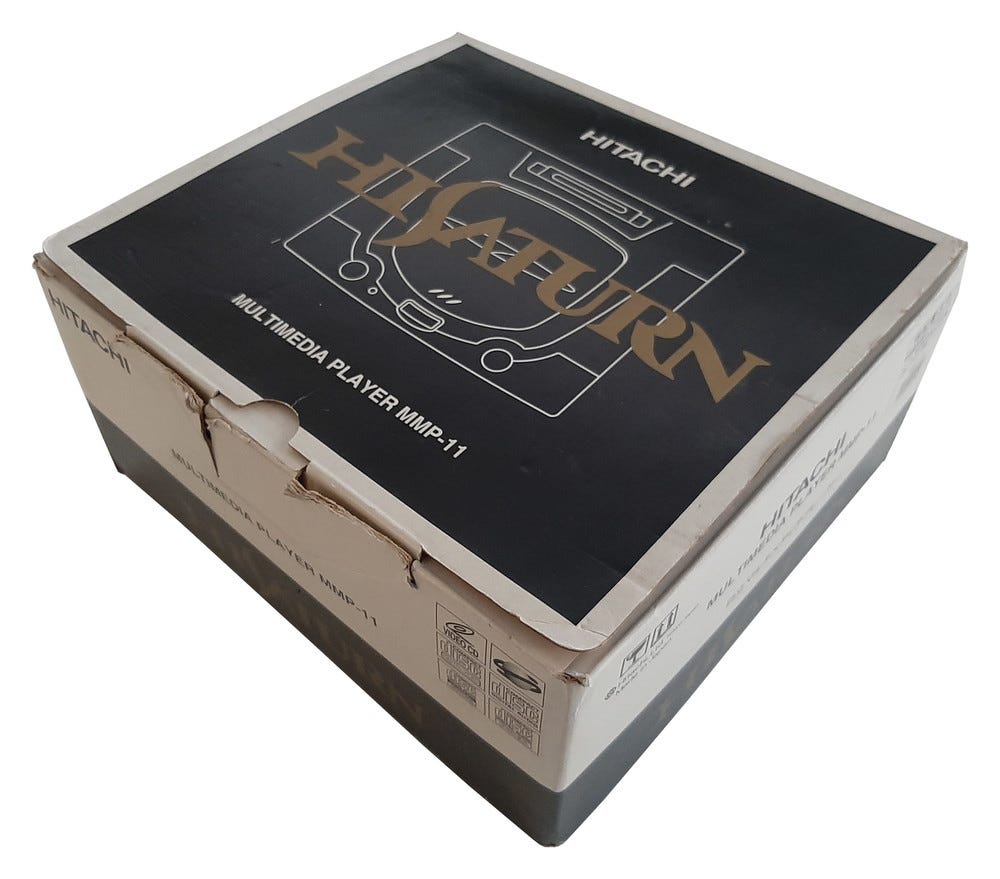
Part of the deal struck between Hitachi and Sega allowed Hitachi to release their own Hitachi-branded Saturn console. This unit was no different from the Sega-branded model except that included the Saturn Movie Card also known as the Video CD Card. As the name would imply, this card would add VCD playback capabilities to the Saturn. There were multiple versions of the card from Hitachi: Video CD Card, Video CD Card 2, Movie Card. JVC also released such a card, and Victor Video released three models. Within games like Lunar, a VCD card offered high quality FMV playback during cut scenes.
As a microcontroller, Hitachi SuperH did well. SuperH was present in musical instruments, VCRs, CD-ROM drives, navigation systems, household appliances, and more. In general, the SH-1 had a 20MHz clock and offered about 20MIPS. The SH-2, as already noted, was at the center of both the Sega Saturn and Sega 32X, but it also found use in networking hardware, and more notably in engine control units from Mazda, Mitsubishi, and Subaru among others. The SH-2A that merged two SH-2s on one chip was used in multimedia but found many wins in the automotive sector in various roles. The SH-DSP was technically a variant of the SH-2 and was used primary in mobile phones and in cameras. The SH-2 generally had a clock of 28MHz and offered 78MIPS. The SH-2A can be found with clocks as high as 200MHz in later models. By 1996, more than 35 million SuperH devices had been shipped, and ARM had licensed the SuperH patent portfolio to create the Thumb instruction set. These kinds of sales meant that Hitachi was the global leader in RISC with a 35% market share (MIPS Technologies was at 29%) and over a thousand design wins.
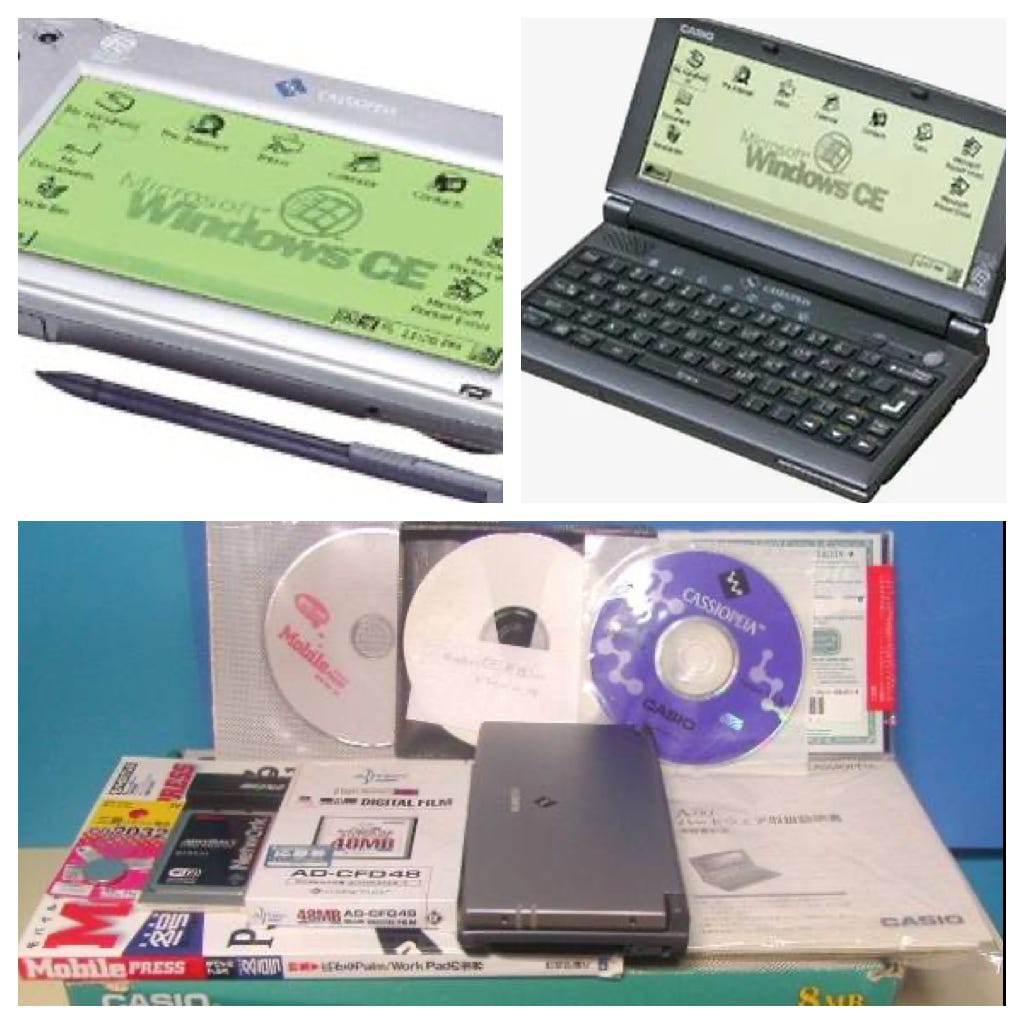
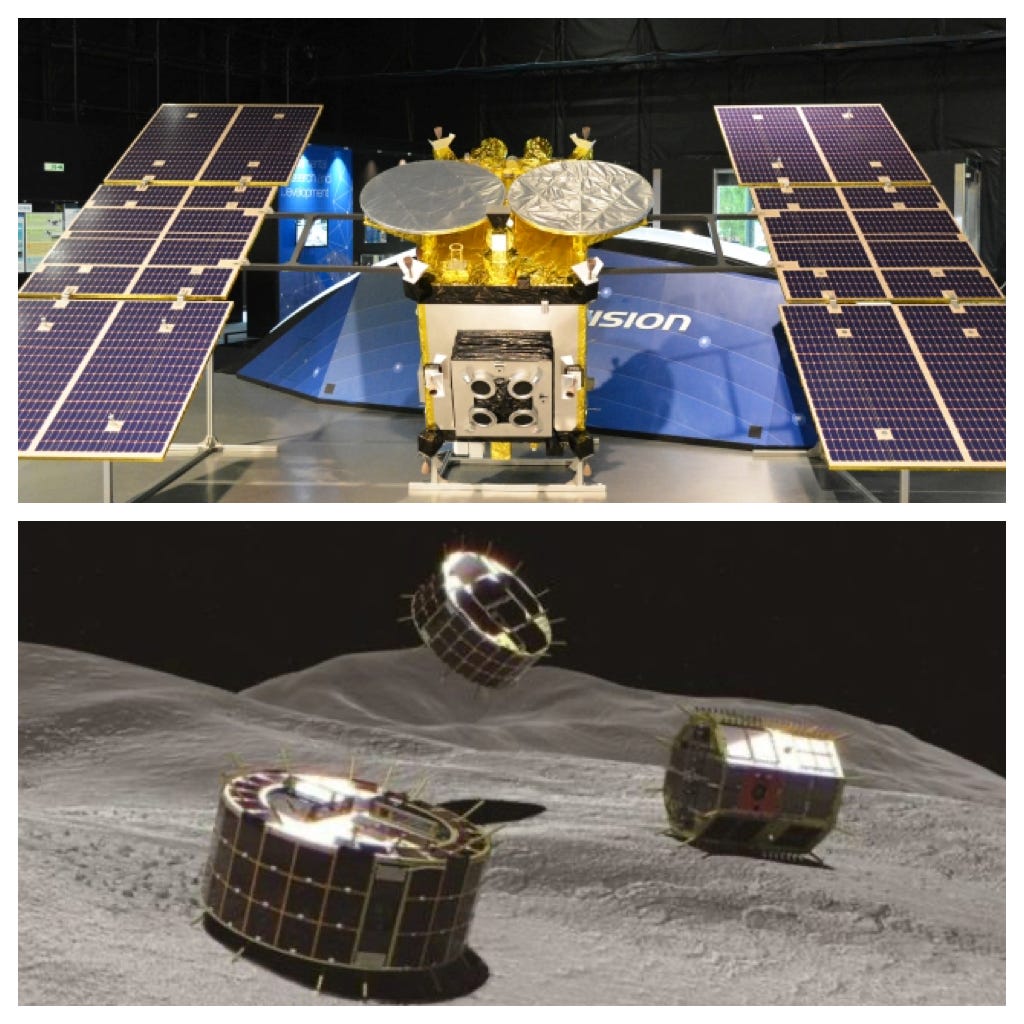
The success of SH-1 and SH-2 caught the attention of Casio who were working on a handheld PC that would run Microsoft Windows CE. The SH-3 brought another six instructions, for a total of 68, and it got an MMU. These changes made the SH-3 a rather great fit for the early Casio Cassiopeia handhelds (later models switched to NEC-built MIPS chips). The SH-3 DSP was used in many PocketPC devices from a variety of vendors, and it was used in digital cameras, networking equipment, printers, and phones. Models of the SH-3 DSP were later upgraded with USB supporting a transfer speed of up to 12Mbps. The most famous usage of the SH-3 was in the Japan Aerospace Exploration Agency’s Hayabusa and MINERVA.
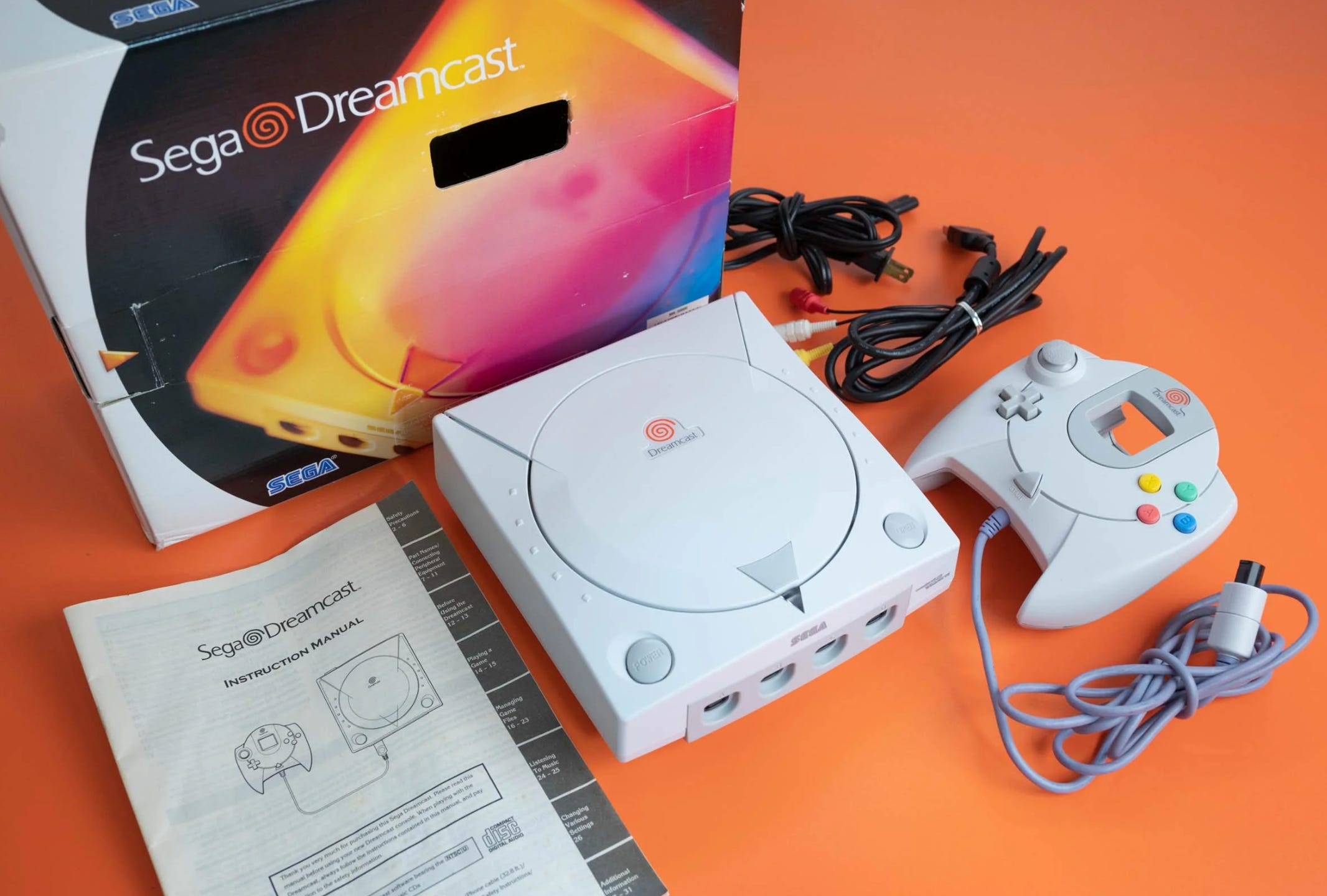
The SH-4 was introduced in 1998. This was a superscalar model with vector processing capabilities. It was capable of 1.4GFLOPs, and it was the first CPU with 4D vector instructions. This CPU became the heart of the Sega Dreamcast.
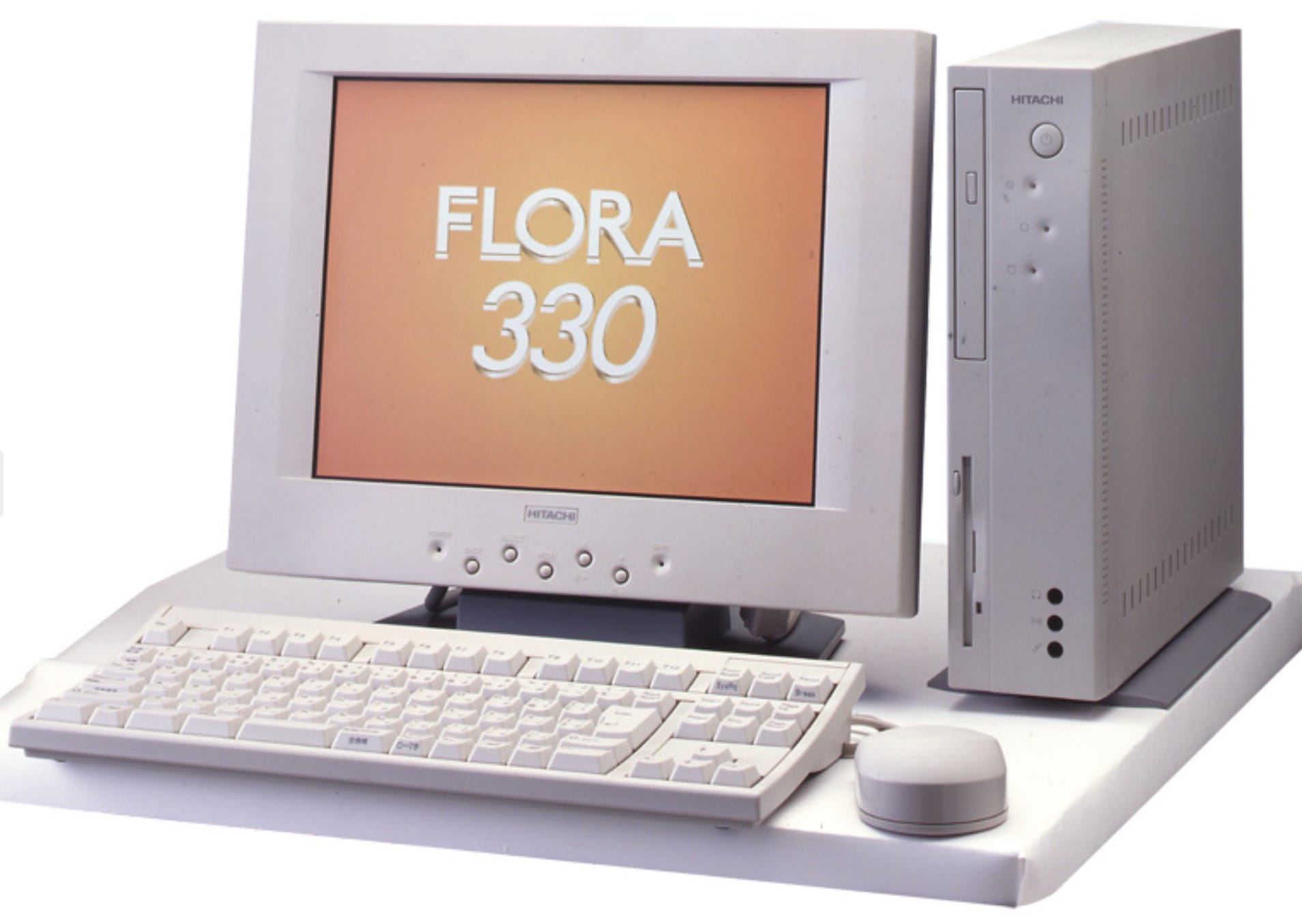
In May of 1991, Hitachi had introduced the FLORA series of personal computers. The first models in this series shipped with a 20MHz 80386SX with the high models using either a 386 or 486 at 33MHz, 2MB to 4MB of RAM, 80MB to 200MB HDD, one or two 3.5 inch FDDs, and Windows 3. On the 11th of November in 1998, Hitachi announced three new models in this line called the FLORA Prius 330J set for release on the 5th of December. These machines were built around the Pentium II at 400MHz, 64MB of SDRAM, a 6.4GB HDD, 24X CD-ROM, and a 100BASE-TX ethernet card. The cheapest SKU provided just the computer, the middle included a 14.1 inch color TFT, and the highest added the TFT and a WinTV Video capture card. These machines shipped with both Windows 98 and BeOS R4.0J. By default, they booted into Win98. Accessing BeOS required either using BeOS boot floppy or installing either the BeOS boot manager or the BeOS launcher from the BeOS Backup CD-ROM.
Etsuhiko Shoyama had been the company’s president since 1999, and he became the CEO of Hitachi in 2003. Hitachi had just suffered through the Asian financial crisis of 1997 and the Dot Com Bust. The company needed to reorganize a bit, trim less profitable business units, and focus more on their core strengths. The company posted a loss of nearly $4 billion for 2001, income of $372 million for 2002, and just $150 million for 2003. Shoyama successfully returned the company to profitability and success. He was followed by Takashi Kawamura who became CEO in 2009.

In 1999, Hitachi had bought the remaining 16 percent of Hitachi Data Systems held by EDS and began transitioning to become a storage solutions business headquartered in Santa Clara, California. At this time the wholly owned subsidiary employed around 2300 people, was active in thirty countries, and had annual revenues of around $1.6 billion. At this point, HDS was still servicing enterprise customers’ needs for CRM, ERP, data warehousing, data mining, CJIS, and eCommerce systems on S/390, Windows NT, and UNIX. However, all of this was focused on what Hitachi referred to as the “No Limits” concept where the company aimed to provide customers access to their information from any computer, anywhere in the world, at any time. For this, they offered clustered storage systems in the Freedom Storage family.
The transition to being a storage provider was completed on the 6th of January in 2003 with Hitachi’s acquisition of IBM’s hard disk business. The disk business of HDS and the disk business of IBM combined to become Hitachi Global Storage Technologies, or HGST. HGST manufactured and sold: Ultrastar enterprise drives, Deskstar consumer desktop drives, Travelstar mobile drives, Endurastar rugged drives mostly used in the automotive industry, and CinemaStar drives which were quiet and meant for audio-video use cases. HGST sold to Western Digital (sans the European manufacturing unit responsible for 3.5 inch drives there, which went to Toshiba) on the 8th of March in 2012 for $3.9 billion and 25 million shares of stock. While Hitachi would no longer manufacture their own storage systems, they did now own about 10% of Western Digital.
On the 1st of April in 2003, Mitsubishi and Hitachi merged their CPU and semiconductor manufacturing operations to create Renesas.
Kawamura was followed by Hiroaki Nakanishi on the 1st of April in 2014.
Hitachi was moving back toward energy, heavy industry, and electric motors. The remaining computing systems were mainframes, but these ceased in 2017. After that, Hitachi sold IBM z systems and the only major difference is that Hitachi-sold IBMs run VOS3. Otherwise, the company has a joint venture with LG that manufactures ODDs, they still make some equipment for telcos, and they manufacture ATMs. The remainder of HDS was merged with Pentaho on the 19th of September in 2017 to form Hitachi Vantara, a wholly-owned subsidiary focused on enterprise cloud.
Masakazu Tokura became CEO of Hitachi on the 1st of June in 2021. While Hitachi still has some computing business, the corporation is more present in nuclear energy, rail, electric motors, appliances, building systems, microscopy, test and measurement equipment, particle therapy, cell culturing equipment. The company has many subsidiaries and joint ventures. Two large former subsidiaries of which Hitachi is no longer owner are Hitachi Astemo which is an automative supplier, and Hitachi Construction Machinery.
As for SuperH, the CPU that led to me researching Hitachi, the patents expired. The SH2 ISA was then implemented in BSD-licensed VHDL as J2.
My dear readers, many of you worked at, ran, or even founded the companies I cover here on ARF, and some of you were present at those companies for the time periods I cover. A few of you have been mentioned by name. All corrections to the record are sincerely welcome, and I would love any additional insights, corrections, or feedback. Please feel free to leave a comment.